
Regarding steam boilers, I see many other 4.5 bar or 8 bar generators, what is the difference between these?
Regarding difference between 4.5bar and 8 bar:
The pressure rate standards for the max temperature of the steam that generated to your brewhouse. 4.5 bar will generate steam at around 120 ℃, and 8 bar at 180 ℃. So, if we choose a suitable steam generator, the heating efficiency would be the main factor. So, 8 Bar type is prefered.
What is Decoction Mashing?
A decoction mash is a type of mash in which at least one mash rest temperature is reached by removing part of the mash, boiling it in a separate vessel, and then mixing it back in to raise the temp of the mash.
It is traditional in many continental European beer styles, especially in Germany and the Czech Republic. But most brewries in these regions have switches to the more economical directly heated step infusion mashing.
Decoction mashing is not very common among home brewers, since it has a reputation as a time and labor-intensive process. But a decoction mash is basically just a step infusion mash where some of the grist is heated and returned instead of infusion water. While it does take some extra time and require some extra stirring, it is a procedure that can be performed by most home brewers.
How many heating method does brewery have? What are they?
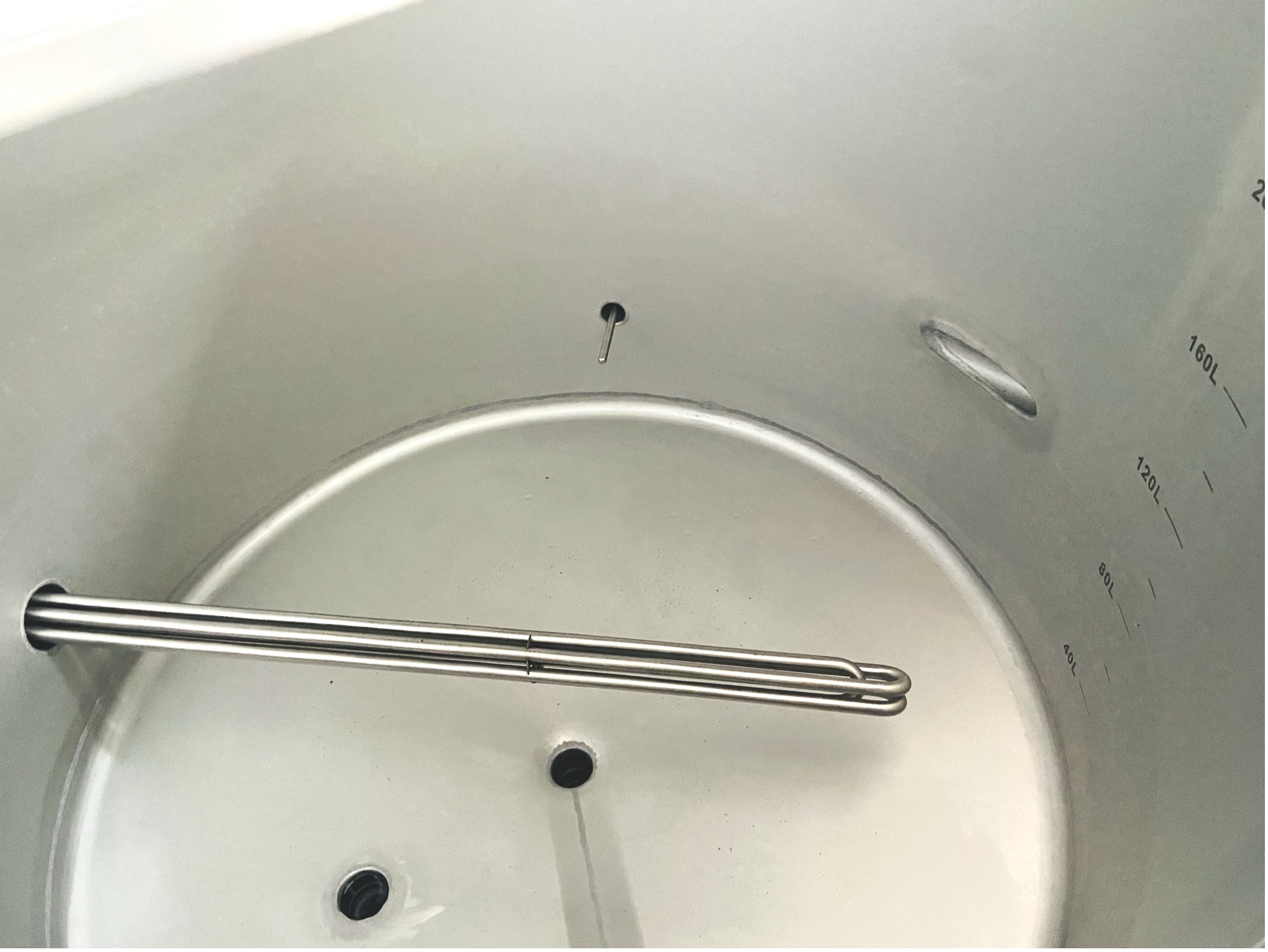
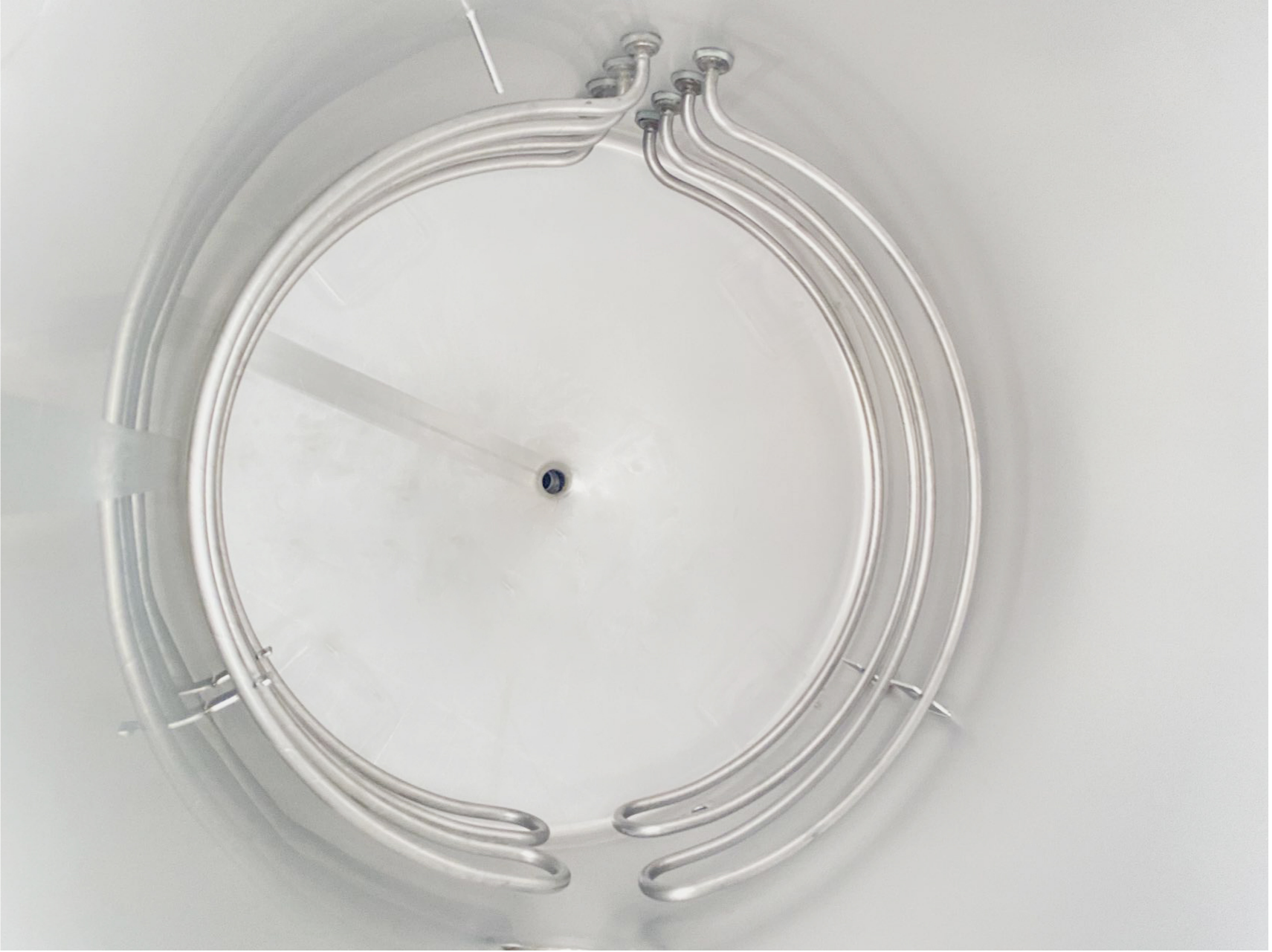
Generally speaking, heating method include electric elements heating, steam heating and gas fired.
Electric elements:
This technique is generally only advised for smaller sized brewhouse because of its cost-effective and space limitation. Among 100~200L brewery, electric elements heating method is the most popular method. For bigger brewery, you need to think about more details.
Kilowatts(KW) needed can vary depending on what type of electricity is being used. Is it single or three-phase, have you considered voltage too? Before you get too far choosing electric for your brewery, you need to check what’s the maximum electrical output the building you’ve chosen, can take.
Steam Heating:
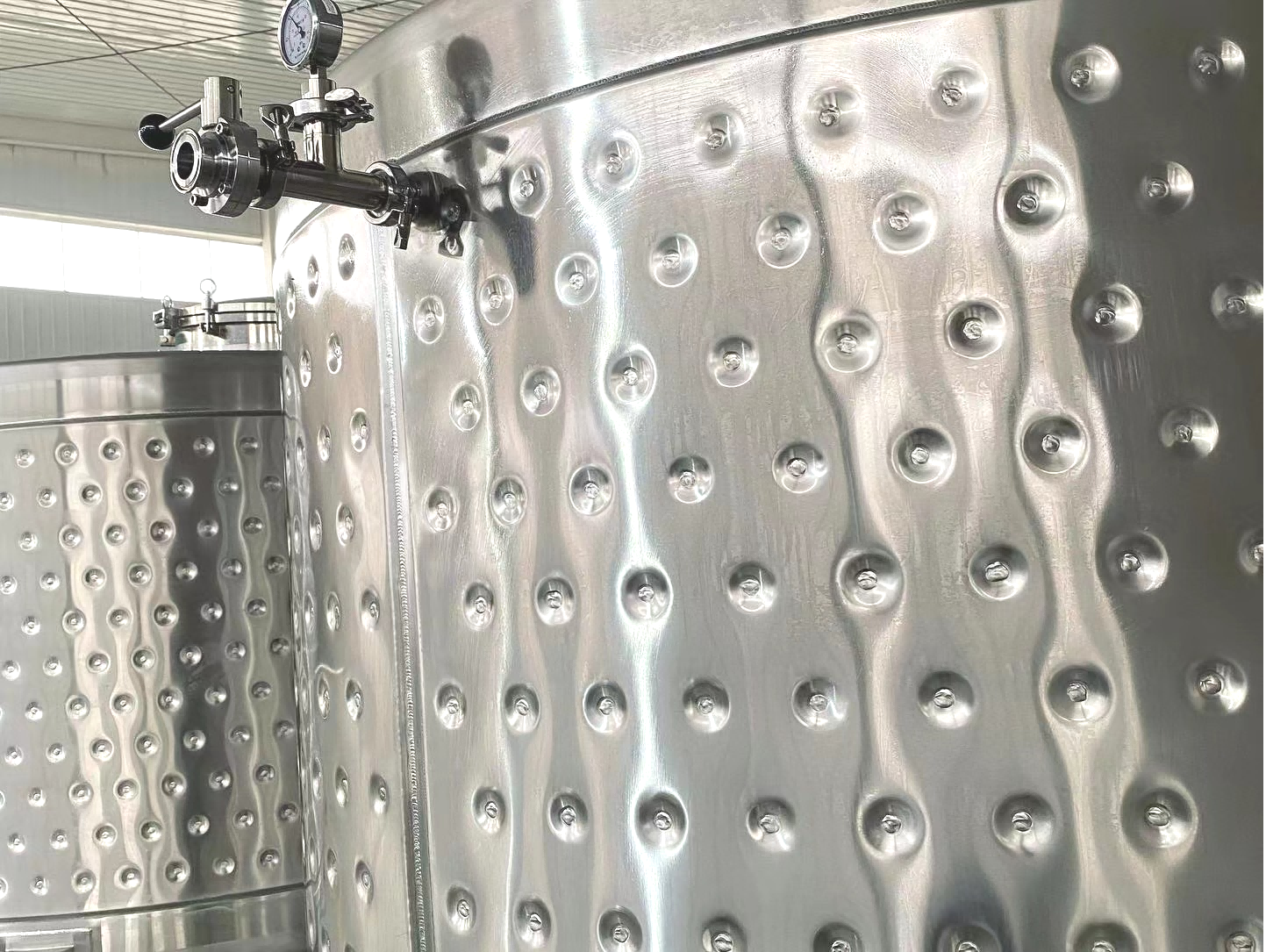
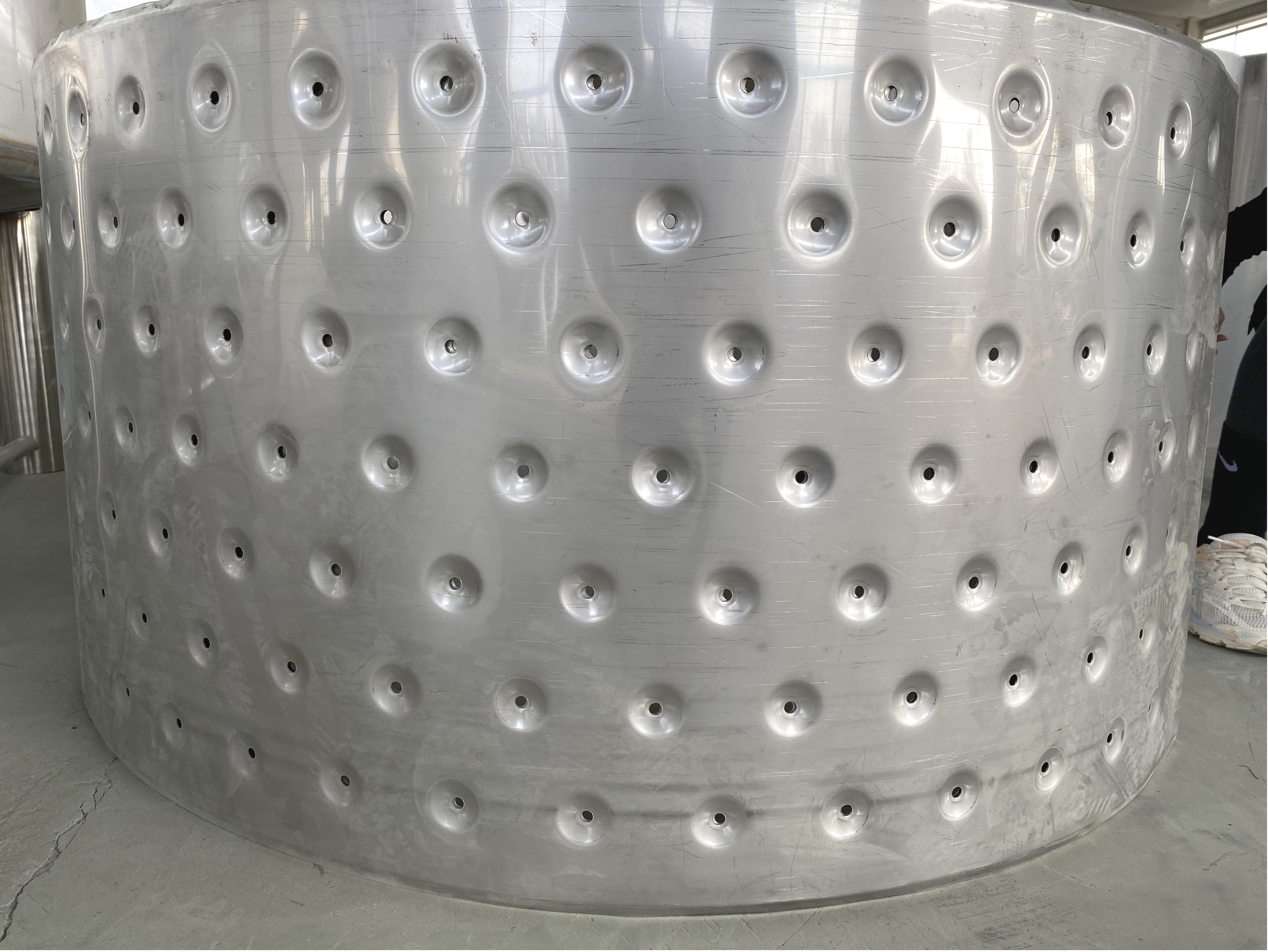
Steam offers even heat distribution. Starting with steam jackets, the preferred and easiest way to implement steam heating in a brewery.
Gas Fired Heating:
Direct fire brewing, as the name implies involves using an open flame under your brewhouse kettle to heat it up. Back in the day this would of most likely been a coal fire. However modern-day breweries who use direct fire, generally employing oil or gas for the burner.
The burner is usually housed in the combustor placed under the kettle, which distributes the heat across the bottom of the tank(Just like the picture).
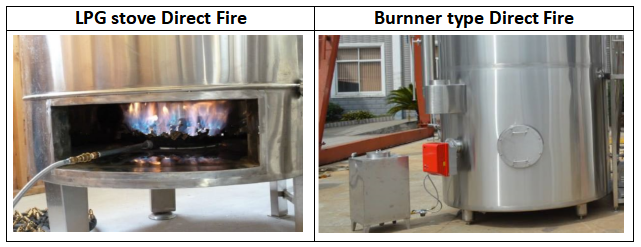
Please don’t hesitate to let us know if you have any ideas, or questions on this solution. Trust we can work together to make it better.
For steam heatingand electric elements heating method, how to choose the suitable heatingmethod for 300L and bigger?
Frankly speaking, steam heating is better than electric heating.
Some reasons are below.
1. Save electric power
For example of 300L system, max power of steam heating is 35.58KW, max power of electric elements is 59.58KW. (More details contact us directly)
2. Can achieve stepped temperature mashing
If your brewhouse is powered by steam heating, the brewhouse is with steam jacket. So when you put your malt into mash tank, mashing temperature can be higher and higher for your brewing craft to achieve stepped temperature mashing.
3. The heating effect is more uniform
Steam heating is heated by steam jacket circled of tank. Electric heating is heated by electric elements only.
If you want to change to steam heating method, total price will higher. Because steam heating need to be equipped with a electric steam boiler.
This is our suggestions surely, we respect your choice and will manufacture your beer brewing equipment for your requests.
How long is your delivery time?
Usually our delivery time is 35 working days after we received your deposit, and if you are very urgent, we will arrange first-production.
What size of brewery you can provide?
we are manufacture of brewhouse in 2 vessel, 3 vessel and 4 vessel configurations and provide commercial brewery from 500L to 10,000L sizes for a wide range brewery needs.
Are you a manufacturer?
Yes, we have been in providing the professional products in this field for more than 10 years.
What if I don't know how to install equipment?
Don't worry.
Our products are all turnkey projects. In addition, we also have remote online installation instructions, installation videos, and on-site installation services.
All products and pipelines are marked in order, I believe you will be able to.
Can you customize products according to customer requirements?
Yes, we support product customization.
We are a factory, so you can tell our sales manager about the product requirements, and our engineers will design your own drawings for you. Your product will be unique
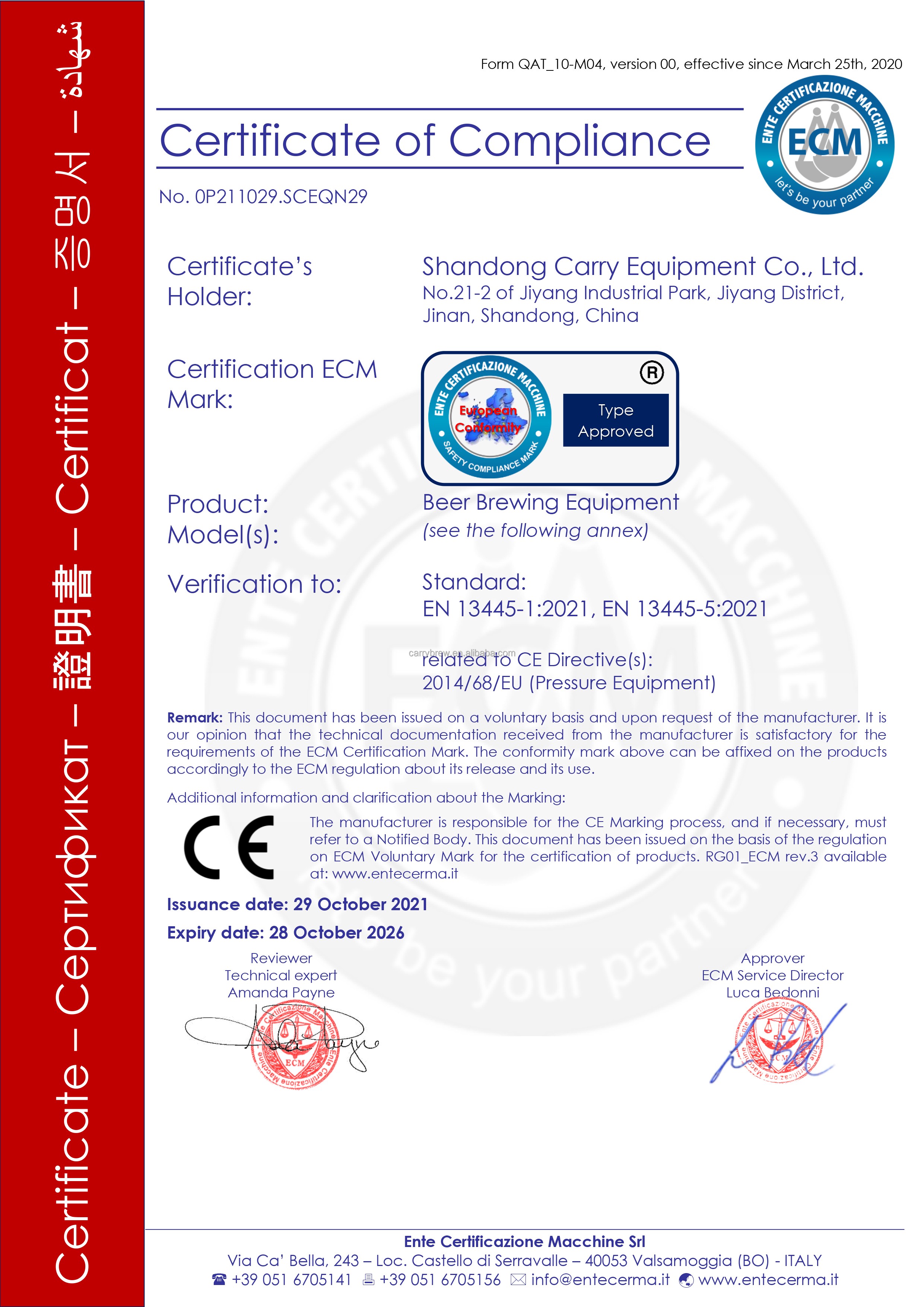
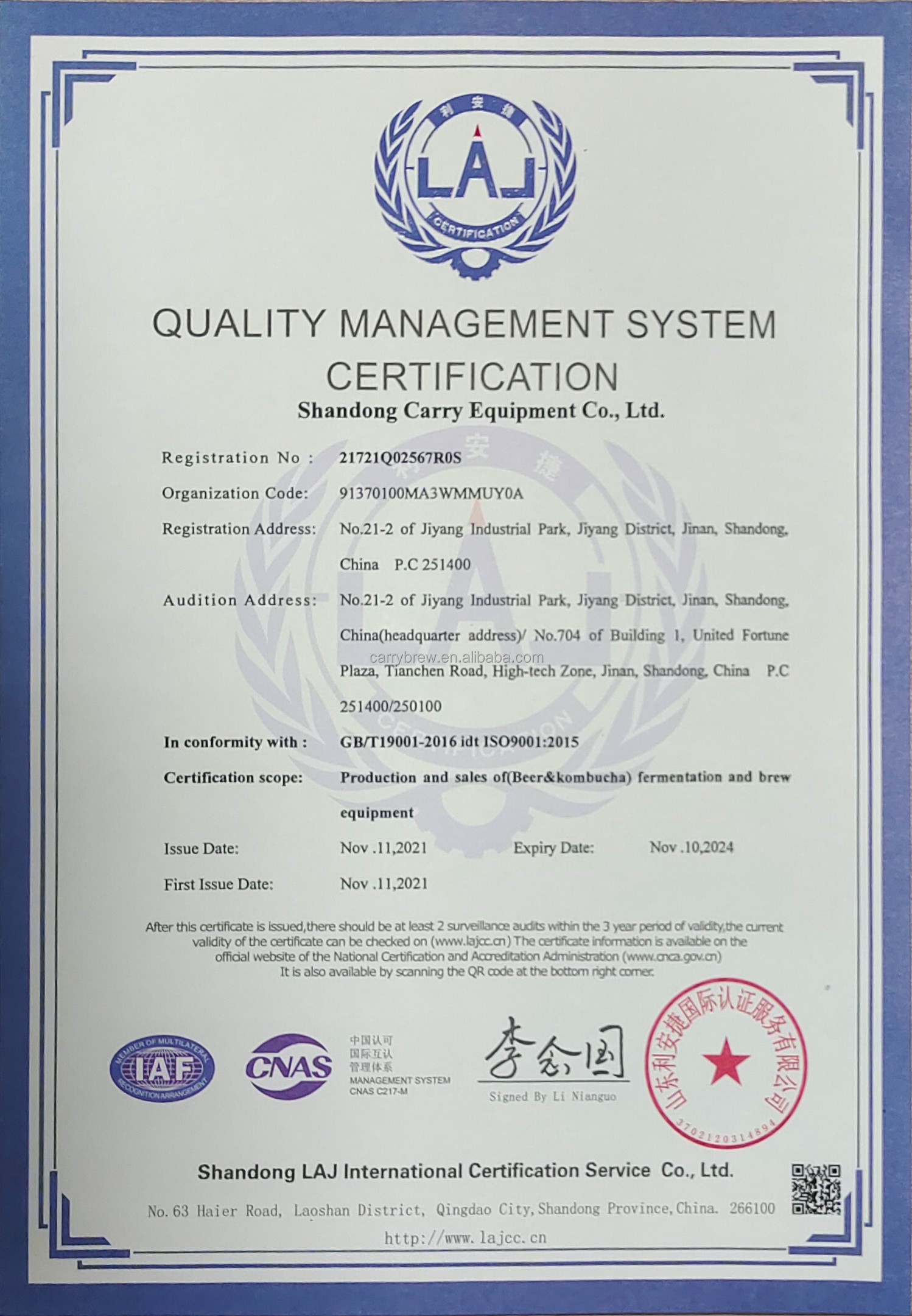
Do you have anycertificate as a guarantee?
Yes, we have CE and ISO certificates.
What's the service you can provide?
Provide beer production technology and brewing formula,beer brewing equipment design, installation and debugging, personnel training service;Providing CAD and 3D layout drawing.
How you pack the products?
Normally as the export standard packaging or as you required.
Carry Brewtech_techinical supportHow to set OMRON PID Meter
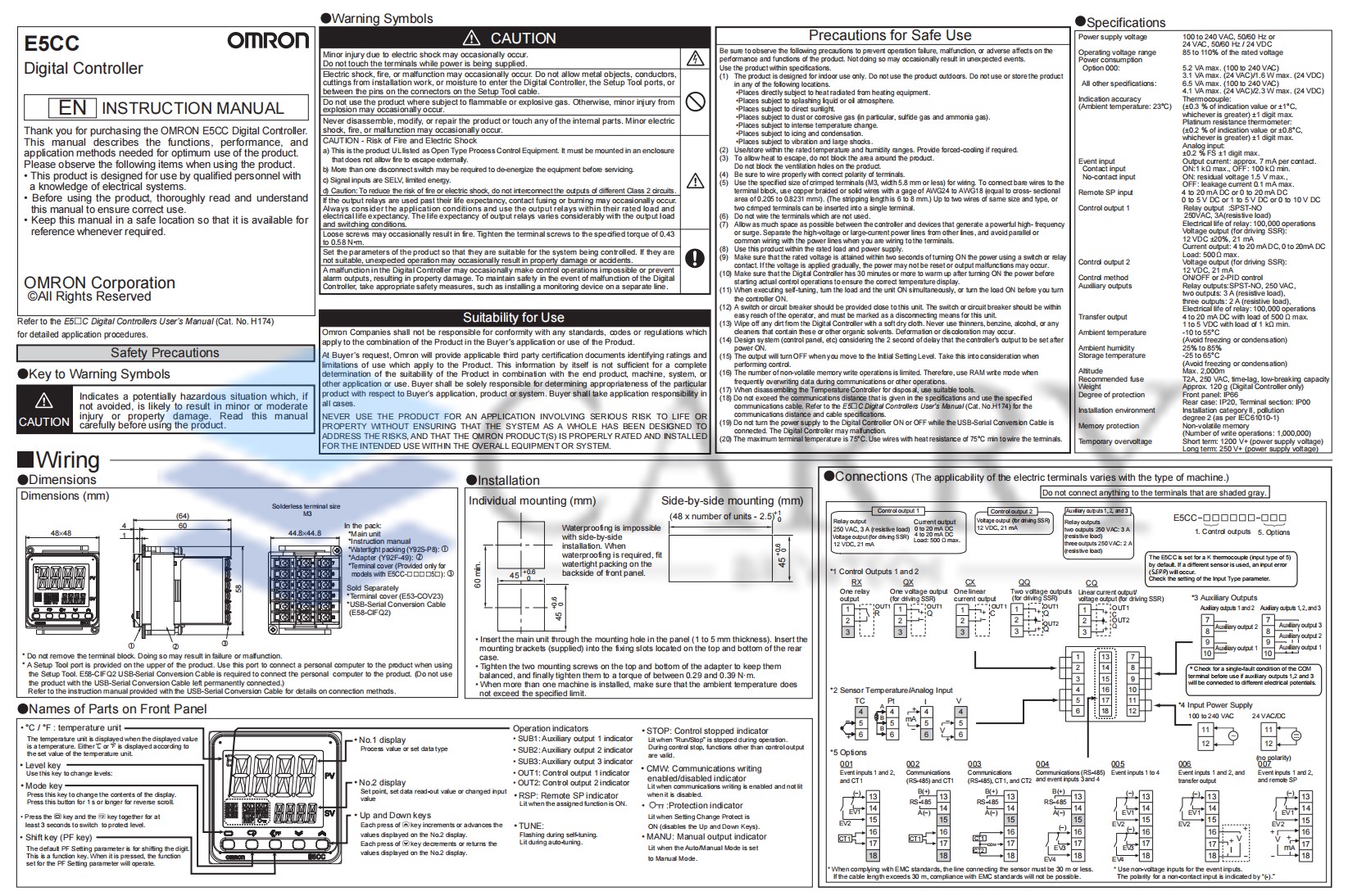
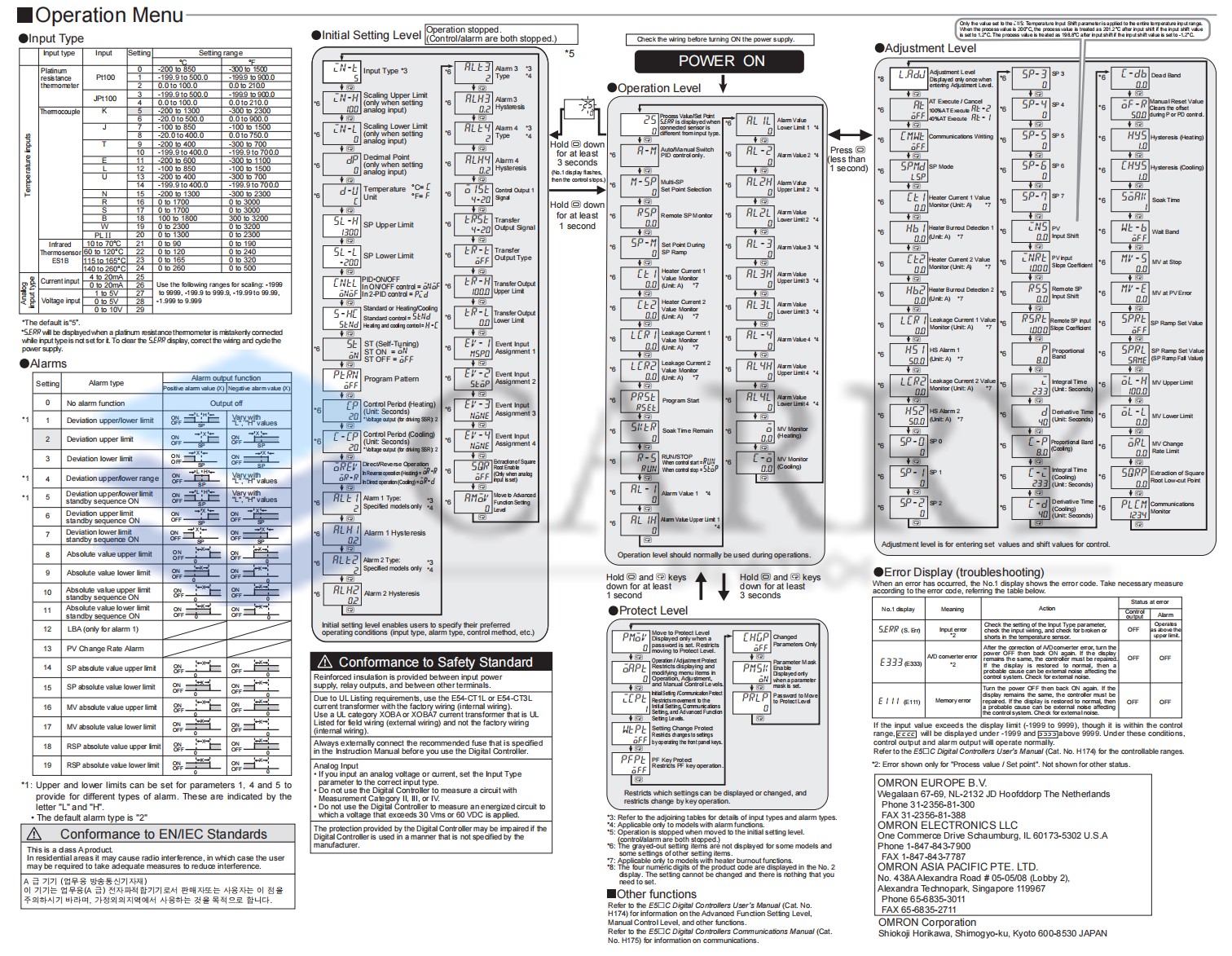
Download technical support file from Carry Brewtech Directly
How to set OMRON PID Meter_Carry Brewtech_techinical support(Chinese Version)
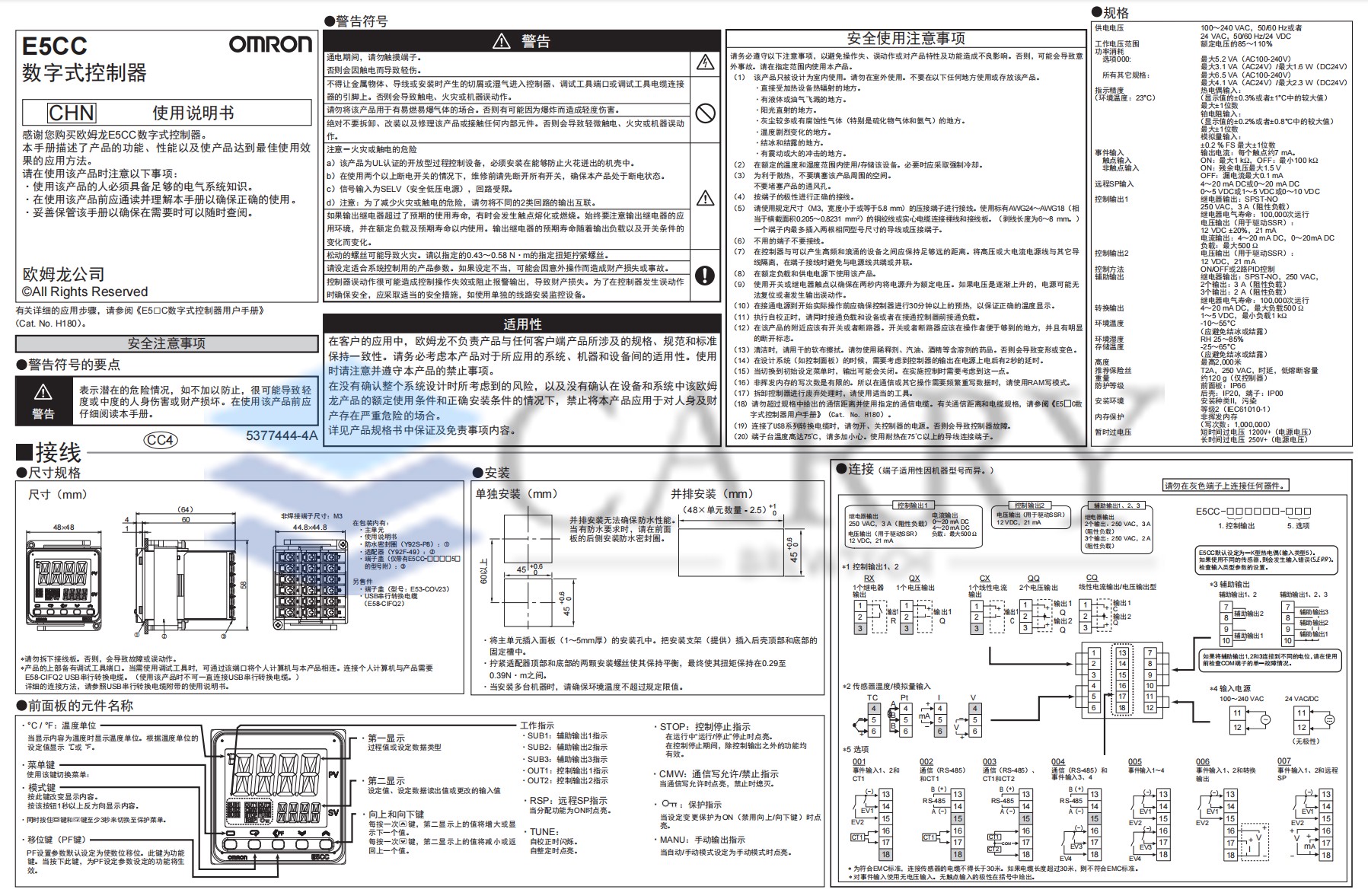
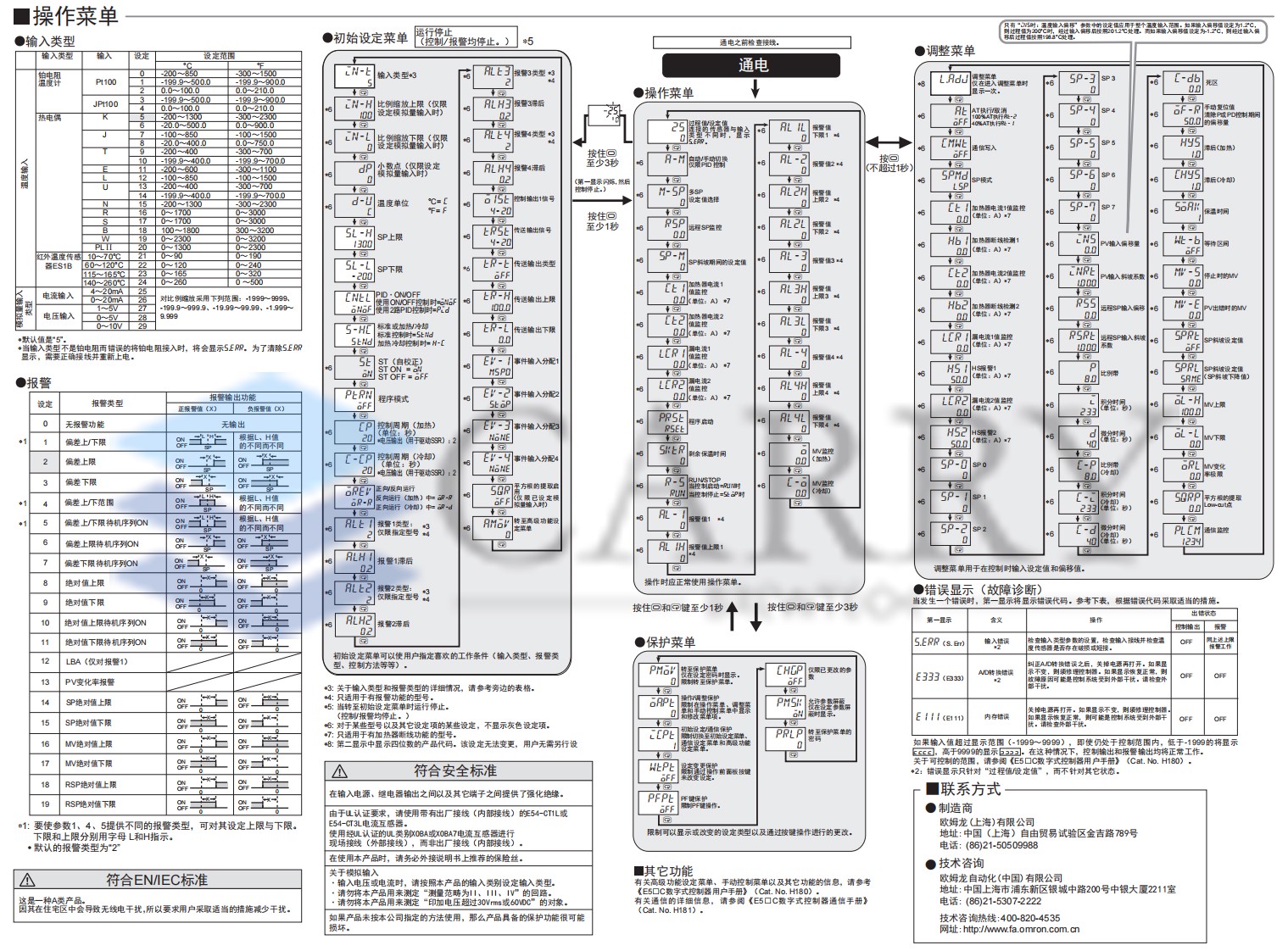
Download technical support file from Carry Brewtech Directly
How to use AUTONICS PID Meter_Carry Brewtech_Technical support
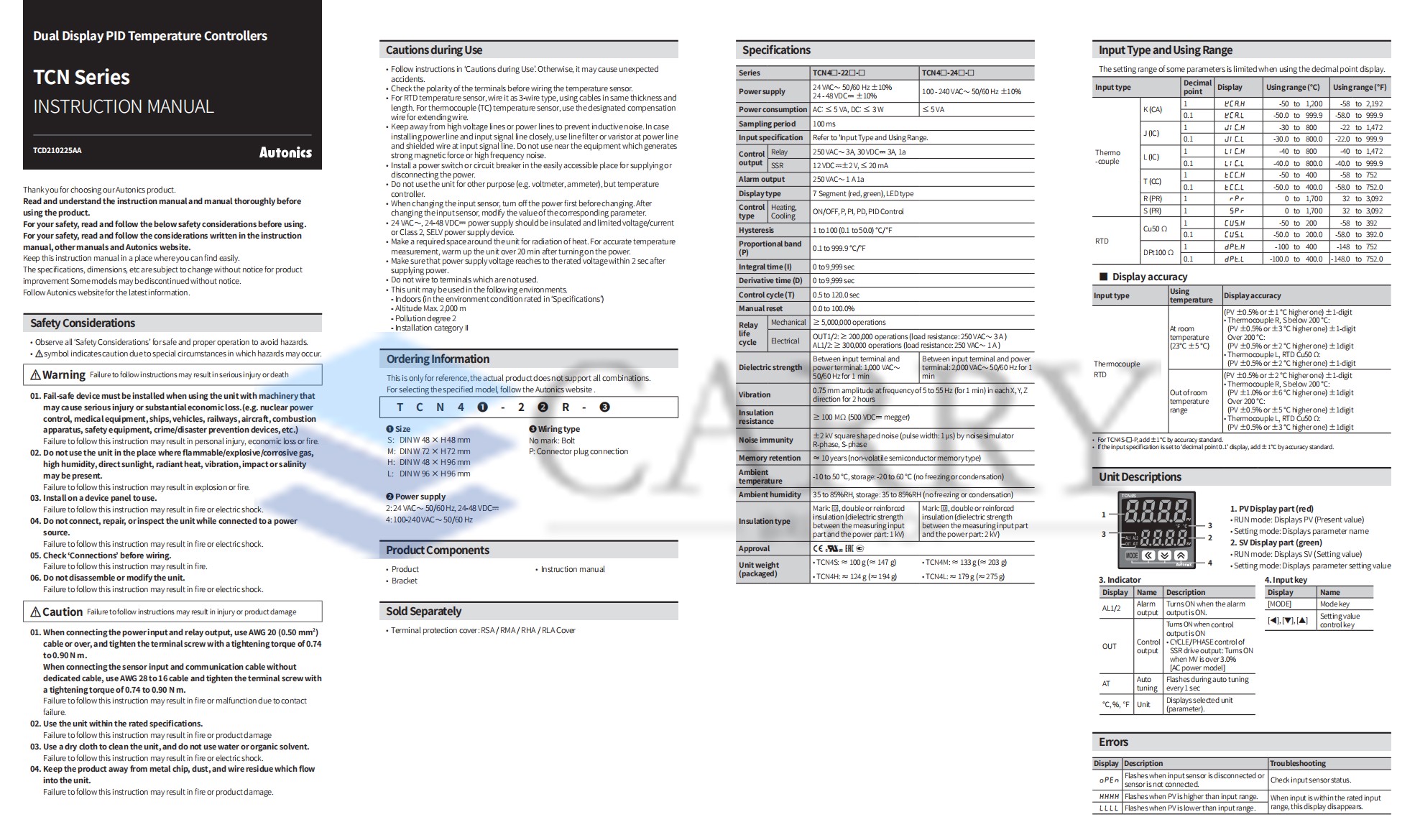
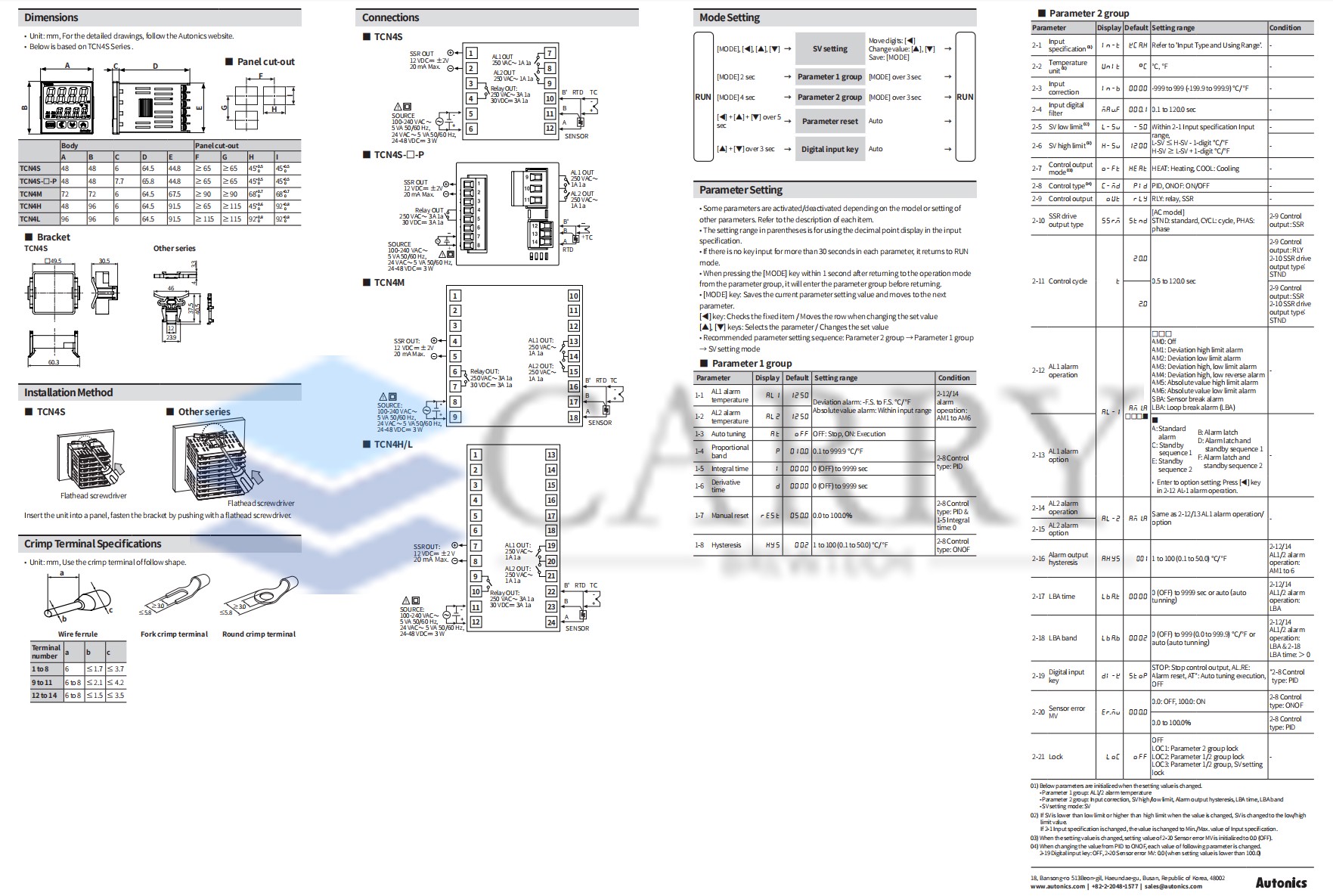
Download technical support file from Carry Brewtech Directly
What is your available port of shipment?
Qingdao port, Tianjin Port, or others.
What's the beer brewing equipment warrantytime?
Provide 3 years complete warranty for beer brewing tanks body and life-time maintenance service. All of the accessories and auxiliaries facilities are guaranteed for one year.
How to check the quality before delivery?
We have our professional engineers to check the beer brewing equipment quality before delivery, also we welcome you come to check the quality or let the third-party check the beer brewing equipment quality before the equipment delivery.
How long is your delivery time?
Usually the delivery time is 30 working days after we received your deposit.But if you are very urgent, we will arrange first-production.
Can your factory produce equipment according to our drawing or samples?
Yes, we can do.
Is possible to supply installation in our country?
Yes, we could supply engineer to supply installation guidance and training.
Send Your Inquiry
We welcome your cooperation and we will develop with you.