
How to Budget for Auxiliaries
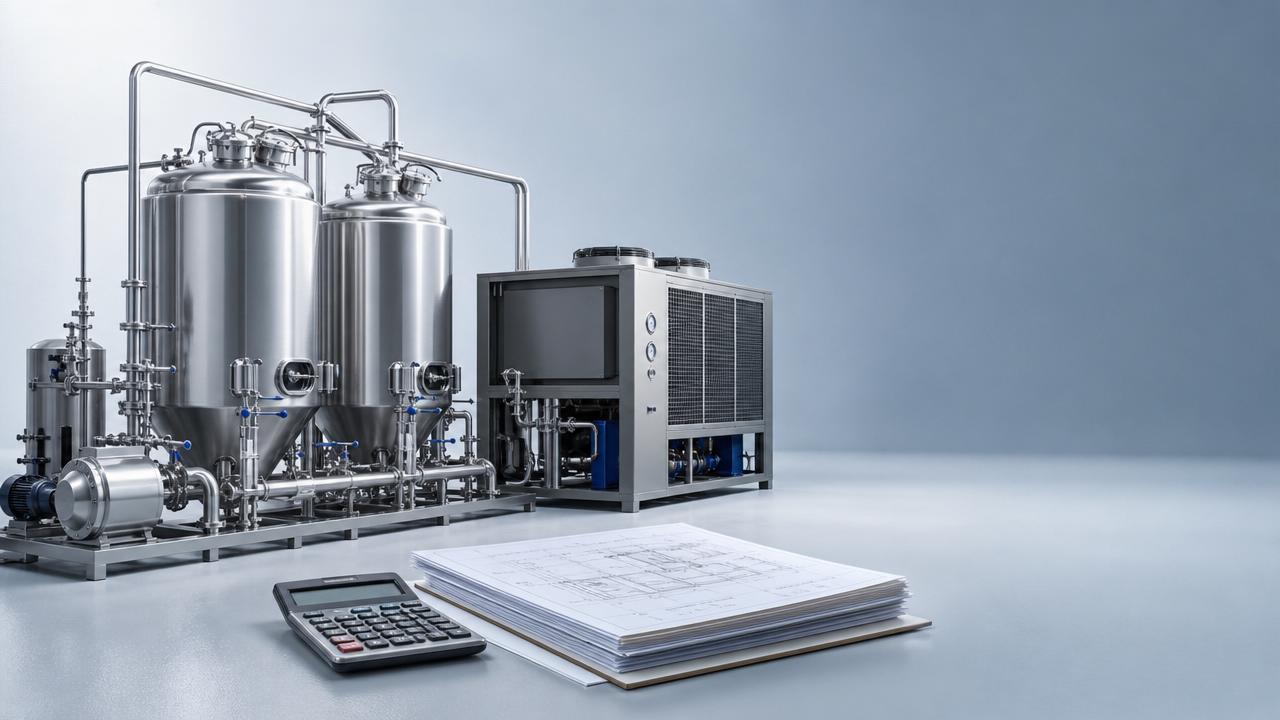
Budgeting for Auxiliaries is often where brewing and beverage projects either stay on track or quietly exceed expectations.
The real challenge is not only comparing purchase prices. It is understanding installation, utilities, compliance, maintenance, and long-term production value.
For beer brewing, fermentation, chilling, kombucha, carbonation, or turnkey systems, a clear Auxiliaries budget reduces hidden costs from the beginning.
Why Auxiliaries Change the Budget in Every Beverage Scenario
Auxiliaries are the support systems that allow core brewing and beverage equipment to operate safely, consistently, and efficiently.
They may include pumps, chillers, valves, piping, controls, CIP units, steam support, compressed air, platforms, and utility connections.
A brewhouse may look complete on paper, yet the required Auxiliaries can decide whether production starts smoothly or faces delays.
Different beverage scenarios create different auxiliary demands. Batch size, recipe variety, cooling load, automation level, and facility layout all matter.
Carry Brewtech designs brewing and beverage systems around actual site requirements, not only equipment lists. This helps clarify auxiliary needs early.
Scenario Background: When Auxiliary Costs Become Visible
Auxiliaries often become expensive when they are considered after the main tanks, brewhouse, or fermentation system has already been selected.
Late decisions can affect floor drains, electrical panels, cooling capacity, piping routes, ceiling height, and local inspection requirements.
A better approach is to treat Auxiliaries as part of the production concept, not as accessories added at the end.
The first budgeting step is to define the operating scenario. The second step is to map every support function required by that scenario.
This method supports more accurate capital planning and makes approval discussions easier because assumptions are visible and testable.
Beer Brewhouse Scenarios: Budgeting for Heat, Flow, and Cleaning
In a beer brewhouse, Auxiliaries are closely tied to heating method, wort transfer, lautering performance, and cleaning requirements.
Steam heating may require a boiler, steam piping, condensate return, safety valves, water treatment, and certified installation support.
Electric heating may reduce steam complexity, but it increases electrical load and may require panel upgrades or additional safety devices.
Pump selection also affects the budget. Undersized pumps can slow production, while oversized pumps may damage product quality.
CIP Auxiliaries should be considered from the start. Efficient cleaning reduces downtime, chemical waste, and manual labor.
For compact breweries, the best budget is not always the lowest. It is the budget that protects daily production stability.
Key Judgement Points for Brewhouse Auxiliaries
- Confirm heating type before estimating installation cost.
- Match pumps to batch size, viscosity, and transfer distance.
- Include CIP capacity, chemical dosing, and rinse water demand.
- Check steam, water, drainage, and ventilation requirements.
Fermentation Scenarios: Budgeting for Temperature Control and Expansion
Fermentation budgets depend heavily on cooling Auxiliaries. Tank jackets, glycol piping, pumps, insulation, and control valves all influence cost.
A small cellar may start with limited cooling demand. However, future tank additions can quickly exceed original chiller capacity.
When planning Auxiliaries, consider peak fermentation load, crash cooling, ambient temperature, and simultaneous tank operations.
Temperature control panels also matter. Manual systems cost less initially, but automation can improve consistency and reduce supervision time.
Carry Brewtech commonly designs fermentation systems with practical expansion paths, helping avoid costly chiller replacement after initial commissioning.
A strong auxiliary budget should include today’s production plan and a realistic next-stage capacity forecast.
Chilling Scenarios: Budgeting Around Peak Load, Not Average Load
Chilling Auxiliaries are often underestimated because average cooling demand appears manageable during early planning.
The real budget driver is peak load. Multiple fermenters, wort cooling, carbonation, and cold storage may overlap during busy production days.
A low-cost chiller can become expensive if it extends cooling time, restricts scheduling, or increases energy consumption.
Auxiliaries for chilling may include glycol tanks, circulation pumps, insulated piping, temperature sensors, valves, and electrical protection.
Budgeting should also account for local climate. Hot environments require stronger cooling margins and better heat rejection planning.
The most reliable estimate starts with a cooling load calculation, not a general equipment package price.
Kombucha Scenarios: Budgeting for Hygiene, Carbonation, and Process Flexibility
Kombucha production creates different auxiliary priorities from beer. Hygiene, controlled fermentation, carbonation, and gentle product handling are critical.
Auxiliaries may include sanitary pumps, filters, carbonation stones, CO2 connections, pressure-rated tanks, and cold stabilization support.
For flavored kombucha, additional blending, dosing, and cleaning steps may increase piping, valves, and CIP requirements.
Carbonation Auxiliaries should be budgeted with care. Inconsistent carbonation affects taste, packaging performance, and shelf experience.
When recipes change frequently, flexible support systems can be more valuable than narrowly optimized low-cost solutions.
A practical kombucha auxiliary plan balances sanitary design, beverage quality, and production agility.
Turnkey Project Scenarios: Budgeting Beyond the Equipment Room
In turnkey projects, Auxiliaries extend beyond individual machines. They connect production, utilities, installation, commissioning, and compliance.
The budget should include layout design, pipe routing, utility interfaces, automation integration, spare parts, training, and documentation.
CE and PED requirements may affect pressure vessels, safety components, documentation, and inspection planning.
ISO 9001-based quality management also supports consistent production control, traceability, and better project execution discipline.
Carry Brewtech provides customized turnkey solutions for global beverage projects, aligning equipment design with local site and regulatory conditions.
For turnkey budgeting, the lowest auxiliary allowance can create the highest commissioning risk.
Different Scenario Needs for Auxiliaries
How to Build a Practical Budget for Auxiliaries
A practical Auxiliaries budget starts with process mapping. Each transfer, heating step, cooling step, cleaning cycle, and packaging interface needs support.
Next, divide costs into equipment, installation, utilities, compliance, operation, and maintenance. This prevents small items from disappearing.
- List every production step and its required support function.
- Identify utility demand for water, steam, electricity, air, CO2, and glycol.
- Check whether the facility can support the required Auxiliaries.
- Estimate installation, insulation, wiring, piping, and drainage separately.
- Reserve budget for spare parts, service access, and future expansion.
This structure makes the budget easier to review and easier to adjust when production plans change.
Scenario-Based Budget Ratios to Consider
There is no universal percentage for Auxiliaries, because equipment scope and facility condition vary widely.
However, projects with higher automation, stricter hygiene, greater cooling demand, or complex compliance usually require a larger auxiliary allowance.
A new site often needs more utility-related spending than an upgraded facility with usable infrastructure already in place.
A reliable estimate should compare at least three cost layers: purchase cost, installation cost, and operating cost.
This is especially important for Auxiliaries that consume energy continuously, such as chillers, pumps, compressors, and control systems.
Common Mistakes When Budgeting for Auxiliaries
One common mistake is treating Auxiliaries as optional items. In many cases, they are essential for safety and production stability.
Another mistake is comparing quotes without checking what is included. Similar systems may exclude valves, controls, insulation, or commissioning support.
Ignoring local codes can also create extra expenses. Pressure equipment, electrical panels, and safety devices may need specific documentation.
Many projects also underestimate floor space. Auxiliaries need access for operation, cleaning, ventilation, repair, and replacement.
Finally, future expansion is often overlooked. Saving on capacity today can force expensive replacement tomorrow.
What to Ask Before Approving an Auxiliary Budget
- Does the budget include all required Auxiliaries for startup production?
- Are installation materials and labor separated from equipment pricing?
- Is cooling capacity calculated for peak operating conditions?
- Are CE, PED, or local safety requirements considered?
- Can the system expand without replacing major Auxiliaries?
- Are spare parts, documentation, and service support included?
These questions turn an unclear allowance into a disciplined investment decision.
How Carry Brewtech Supports Smarter Auxiliary Planning
Established in 2017, Carry Brewtech supplies beer brewing equipment, fermentation systems, chilling systems, kombucha equipment, carbonation systems, and turnkey projects.
The company designs and manufactures equipment according to customer requirements, with CE and PED compliance available for suitable projects.
Production and quality control follow European and American quality expectations, supported by an ISO 9001 certified management system.
Customers in more than 30 countries use Carry Brewtech solutions for customized brewing and beverage production needs.
By reviewing process goals, site limitations, and expansion plans, Carry Brewtech helps define the right Auxiliaries before costly decisions are locked.
Next Step: Turn Auxiliary Assumptions Into a Clear Budget
A strong budget for Auxiliaries begins with accurate project information, including capacity, product type, site utilities, layout, and compliance expectations.
Before approving a system, request a scenario-based auxiliary review instead of relying only on a basic equipment quotation.
This review should show what is needed now, what can be prepared for later, and what risks should be avoided.
With the right Auxiliaries plan, beverage projects can control cost, protect product quality, and move from concept to production with confidence.
For customized brewing, kombucha, chilling, fermentation, or turnkey systems, Carry Brewtech can help build an auxiliary budget that fits real operating conditions.
Quick Links
- ▶ Kombucha Brew Safety Mistakes
- ▶ Kombucha Brew Market Trends 2026
- ▶ Kombucha Brew Equipment Selection
- ▶ Kombucha Brew Cost and Yield Basics
- ▶ Auxiliaries That Improve Brew Stability
- ▶ Auxiliaries Maintenance Warning Signs
- ▶ How to Budget for Auxiliaries
- ▶ Auxiliaries Selection for Small Breweries
- ▶ Auxiliaries and Production Downtime Risk
- ▶ Brew Fittings Material Comparison
Message
Send Your Inquiry
We welcome your cooperation and we will develop with you.