
Brew Fittings Leak Prevention Guide
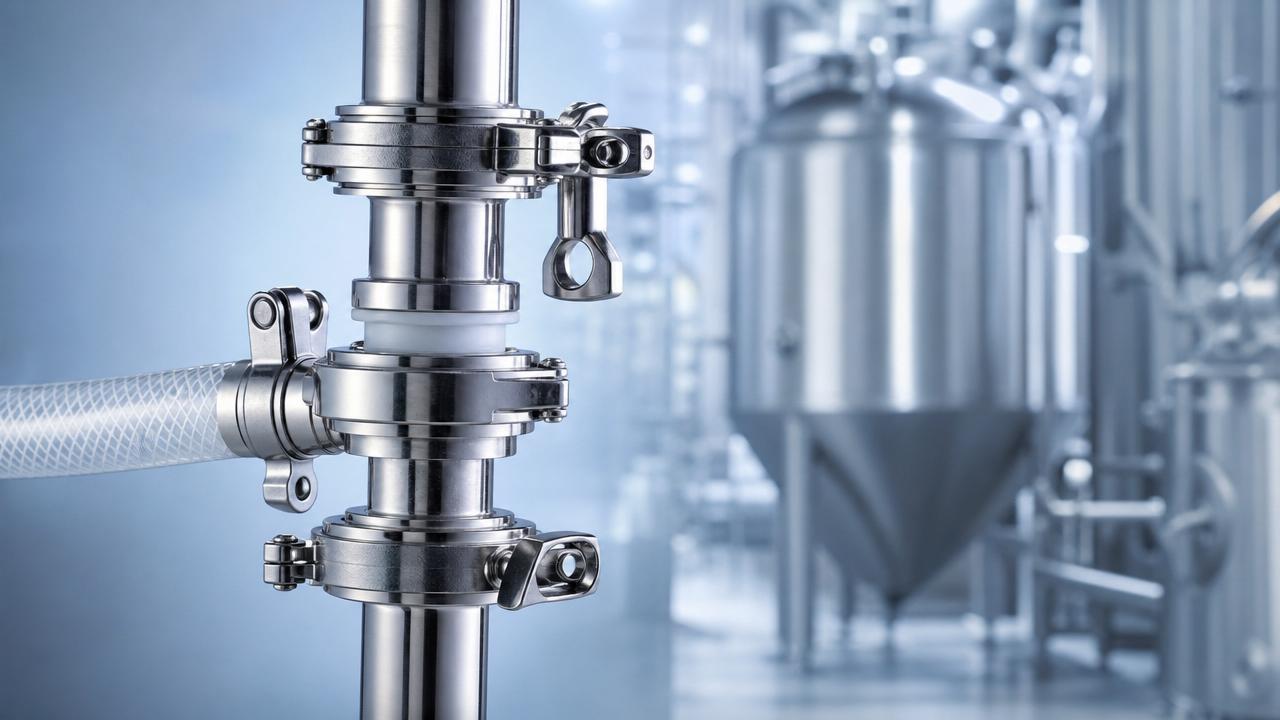
Leaks in brewing systems can lead to wasted product, unstable pressure, sanitation risks, and costly downtime. For operators, understanding how to inspect, install, and maintain Brew Fittings is essential to keeping every connection secure and hygienic. This guide explains practical leak prevention methods for daily brewing operations, helping you identify common problem areas, choose the right sealing practices, and protect equipment performance from mash tun to fermentation and carbonation systems.
In a working brewery or kombucha production room, even a small drip can become a process issue within 1 shift. This guide focuses on practical operator-level actions.
Why Brew Fittings Leak and Where Operators Should Look First
Brew Fittings connect tanks, pumps, hoses, valves, heat exchangers, carbonation lines, and cleaning loops. Each connection must hold pressure, temperature, and sanitation integrity.
Most leaks are not caused by a single failure. They usually come from 3 combined factors: poor alignment, worn seals, and incorrect tightening force.
Common leak points in daily brewing systems
Operators should inspect Brew Fittings at every transfer stage, especially after CIP, hose changes, or tank changeovers. Repeated handling increases seal wear.
- Tri-clamp connections on fermenters, brite tanks, mash tuns, and manways.
- Threaded adapters on pumps, pressure gauges, sample valves, and utility lines.
- Hose barbs, quick disconnects, and temporary transfer assemblies.
- Carbonation and gas-side fittings operating under repeated pressure cycles.
- Chilling system connections exposed to vibration and temperature fluctuation.
A 5-minute visual check before production can prevent hours of cleaning, product recovery, and pressure troubleshooting later in the day.
Typical causes and operator actions
The table below summarizes practical leak causes. It helps operators identify whether Brew Fittings need cleaning, reseating, replacement, or supervisor review.
The key conclusion is simple: Brew Fittings should be inspected as assemblies, not isolated parts. Gasket, ferrule, clamp, pipe angle, and vibration all matter.
Correct Installation Practices for Leak-Free Brew Fittings
Reliable installation starts before tightening. Clean contact surfaces, proper gasket selection, and controlled alignment reduce most preventable leaks by the first startup.
For operators, a repeatable 6-step routine is better than relying on feel alone. This is especially important during busy brewing schedules.
A 6-step installation routine
- Depressurize the line and confirm the tank, pump, or hose is safe to open.
- Remove old product film from ferrule faces, threads, clamp grooves, and gasket seats.
- Inspect Brew Fittings for scratches, flattened gaskets, burrs, dents, or thread wear.
- Select a gasket compatible with temperature, cleaning chemistry, and product type.
- Align both sides without hose tension, then tighten evenly without forcing the assembly.
- Run a low-pressure water test for 2–5 minutes before product transfer.
This routine is useful for beer brewing equipment, kombucha brewing equipment, fermentation systems, and carbonation skids with frequent line changes.
Gasket selection matters
Brew Fittings only seal correctly when the gasket material matches the operating condition. Heat, acidity, sanitizer, and pressure all affect seal life.
EPDM is common for hot water and CIP duties, while silicone is often chosen for flexibility. PTFE suits chemical resistance but compresses differently.
Practical gasket checks before assembly
- Replace gaskets with cuts deeper than 0.5 mm or visible flattening at the sealing face.
- Do not mix unknown gasket materials in steam, caustic, or acid loops.
- Store spare seals in clean, dry bins away from UV exposure and sharp tools.
- Label gasket sizes such as 1.5 inch, 2 inch, and 3 inch to avoid forced assembly.
If a gasket requires excessive force to fit, the issue is usually sizing, distortion, or ferrule mismatch rather than insufficient tightening.
Inspection Schedule and Preventive Maintenance
Leak prevention depends on habits. Operators should treat Brew Fittings as critical hygienic components, not as minor accessories on larger tanks.
A practical maintenance rhythm includes daily checks, weekly deep inspection, and monthly review of spare parts inventory and repeated leak records.
Recommended inspection frequency
The following schedule supports breweries and kombucha facilities operating 5–7 days per week. Adjust frequency for high-acid, high-heat, or high-pressure applications.
The table shows that prevention is not complicated. Consistency is the main factor, especially where Brew Fittings are opened repeatedly.
Cleaning practices that protect sealing surfaces
CIP chemicals remove soil, but incorrect concentration or temperature can shorten seal life. Follow the chemical supplier’s range and equipment instructions.
Avoid scraping ferrules with hard metal tools. A small scratch across a sealing face can create a leak path under pressure.
Operator checklist after CIP
- Confirm rinse water is clear and free of foam before opening Brew Fittings.
- Check that clamps cool safely before retightening hot-side connections.
- Inspect gaskets exposed to caustic or acid for swelling within 24 hours.
- Record repeated leaks at the same point for maintenance investigation.
A written log helps distinguish occasional assembly errors from design issues, worn parts, or poor hose support in the production area.
Pressure, Temperature, and Sanitation Risk Control
Leak prevention is not only about keeping liquid inside the system. It also protects pressure stability, dissolved gas levels, and hygienic production conditions.
Brew Fittings in fermentation and carbonation systems may face repeated pressure changes from near atmospheric levels to several bar, depending on process design.
Pressure-related warning signs
Operators should investigate if pressure drops faster than expected during a closed hold test. Even a slow leak can affect carbonation performance.
- Foam appears near a clamp during gas pressure testing.
- Tank pressure decreases within 10–20 minutes without a planned valve opening.
- CO2 usage increases after changing hoses or accessories.
- Carbonation results vary between batches despite the same recipe and temperature.
For safety, never tighten Brew Fittings under active pressure unless the equipment procedure specifically allows it. Depressurization should come first.
Sanitation risks from micro-leaks
A leak can also become an ingress point. During cooling, a vessel may create slight vacuum conditions that draw contamination inward.
This is why hygienic design matters. Smooth internal surfaces, cleanable geometry, and properly matched Brew Fittings support safer beer and kombucha production.
When to stop production and escalate
Stop the operation if leakage touches electrical equipment, creates slipping hazards, involves hot liquid, or appears on pressurized gas connections.
Escalate repeated leaks after 2 corrective attempts. Persistent failure may indicate damaged ferrules, unsupported piping, incorrect component selection, or installation stress.
Choosing Brew Fittings for Reliable Brewing Equipment
Selection affects daily operations for years. Operators should communicate real usage conditions so procurement and engineering teams can specify suitable Brew Fittings.
Important selection factors include material grade, connection type, seal compatibility, cleanability, pressure rating, availability of spares, and ease of tool-free maintenance.
Key specifications to confirm before purchase
- Confirm stainless steel grade, commonly 304 or 316, based on cleaning chemistry and product acidity.
- Match size standards across tanks, hoses, pumps, and valves to reduce adapter stacking.
- Check operating temperature range for hot liquor, wort, chilled product, and CIP cycles.
- Review pressure requirements for transfer lines, fermentation, and kombucha carbonation systems.
- Ask whether spare gaskets and clamps can be sourced in 1–2 weeks when needed.
Reducing unnecessary adapters improves hygiene and lowers leak risk. A simpler line with fewer joints is usually easier for operators to manage.
How Carry Brewtech supports equipment reliability
Carry Brewtech, established in 2017, supplies brewing equipment, fermentation systems, chilling systems, kombucha equipment, carbonation systems, and customized turnkey projects worldwide.
The company designs and manufactures equipment according to customer requirements, with CE and PED compliance available for relevant projects and documented quality control.
For operators, this matters because Brew Fittings are not isolated purchases. They must work with tanks, piping, pumps, valves, chillers, and cleaning systems.
With customers in more than 30 countries, Carry Brewtech understands different brewery layouts, utility conditions, and local operating habits across global projects.
Troubleshooting Workflow for Active Leaks
When a leak appears during production, operators need a calm workflow. The goal is to protect people, product, equipment, and traceability.
Use a 4-level response: make safe, identify the fitting, contain the product, then correct the connection after pressure and temperature risks are controlled.
Field response steps
- Mark the leaking Brew Fittings with a temporary tag and notify nearby operators.
- Reduce flow, stop the pump, or isolate the line according to site procedure.
- Capture product if allowed by sanitation rules, or direct waste to the proper drain.
- Depressurize and cool the section before touching clamps, threads, or hoses.
- Disassemble, clean, inspect, replace the seal if needed, and retest with water.
Do not hide a recurring leak by tightening harder every shift. Overcompression can damage gaskets and make the next failure more difficult.
Common mistakes to avoid
- Reusing damaged seals because the leak seems small.
- Mixing clamp sizes that look similar but do not seat evenly.
- Allowing hose weight to pull sideways on Brew Fittings during transfer.
- Skipping water testing after changing a gasket or threaded adapter.
A clear workflow shortens downtime from hours to minutes in many routine cases, while keeping sanitation and safety decisions traceable.
Operator FAQ on Brew Fittings Leak Prevention
The following questions address daily concerns from production teams, especially operators responsible for transfers, CIP preparation, fermentation checks, and carbonation control.
How often should gaskets be replaced?
Replacement depends on temperature, chemistry, and use frequency. In active areas, inspect weekly and replace immediately if cracking, swelling, or flattening appears.
Can a small leak wait until the end of the shift?
Not always. If the leak involves pressure, hot liquid, gas, product contamination risk, or walking hazards, stop and escalate according to site procedure.
Are more Brew Fittings always better for flexible production?
Flexibility is useful, but every extra connection adds a sealing point. Plan layouts with necessary access while reducing avoidable adapters and temporary joints.
What information helps when requesting support?
Share fitting size, process temperature, pressure, cleaning chemistry, leak location, photos, and how many corrective attempts have already been made.
Leak prevention starts with disciplined installation, clean sealing surfaces, correct gasket choice, and scheduled inspection. These habits protect product quality and equipment uptime.
For breweries and kombucha producers planning upgrades, Carry Brewtech can help align Brew Fittings with complete brewing, fermentation, chilling, and carbonation systems.
If you need a practical equipment review, a customized turnkey proposal, or guidance on hygienic connection design, contact Carry Brewtech to discuss your requirements.
Quick Links
- ▶ Kombucha Brew Safety Mistakes
- ▶ Kombucha Brew Market Trends 2026
- ▶ Kombucha Brew Equipment Selection
- ▶ Kombucha Brew Cost and Yield Basics
- ▶ Auxiliaries That Improve Brew Stability
- ▶ Auxiliaries Maintenance Warning Signs
- ▶ How to Budget for Auxiliaries
- ▶ Auxiliaries Selection for Small Breweries
- ▶ Auxiliaries and Production Downtime Risk
- ▶ Brew Fittings Material Comparison
Message
Send Your Inquiry
We welcome your cooperation and we will develop with you.